

What is Adolescent Counselling in Ankara?
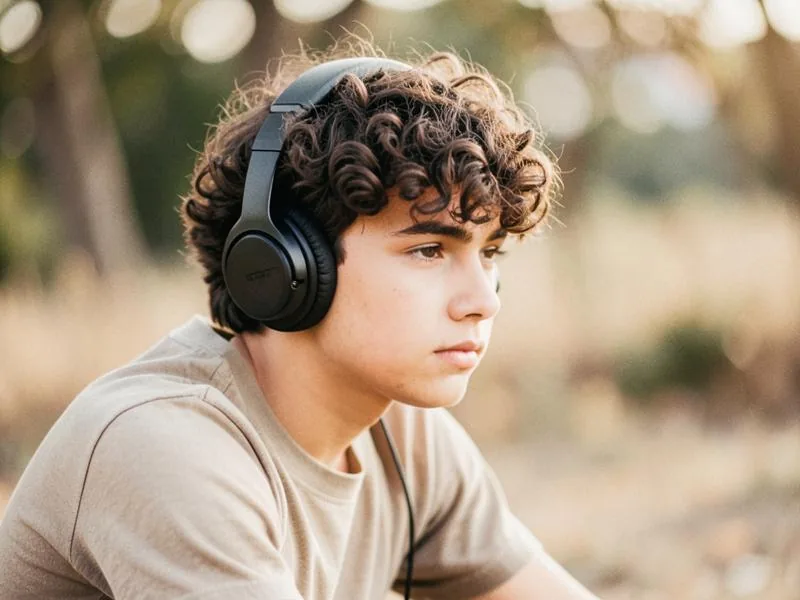
Adolescent counselling in Ankara is a counselling process that accompanies young people, typically aged 12-18, through the developmental changes they experience, focusing on communication, family relationships, and daily living skills. This process is not a medical procedure; its aim is to help adolescents and their families understand and manage this period more effectively.
Adolescence is a time when identity-seeking becomes prominent, peer relationships gain importance, and family authority is redefined. Tensions experienced during this period are often part of normal developmental processes; however, in some families, communication can become strained, and external guidance may be needed.
In our centre, sessions with adolescents are conducted in an age-appropriate language, respecting confidentiality principles. Throughout the process, the family is also regularly informed as part of the process; however, the adolescent's personal space is maintained.
We have gathered the topics of interest to families searching for a psychologist in Çankaya or a psychologist in Ankara on our Çankaya psychologist guide page; sessions with young people take place at our centre in Kavaklıdere, Çankaya, Ankara.
Which age range is covered?
Generally, the final years of middle school and the high school period, i.e., approximately 12-18 years old, are considered within the scope of adolescent counselling. For younger children, child counselling, and for young people approaching adulthood, individual counselling may be more appropriate depending on the situation.
The age range is not a strict boundary; the most suitable framework is determined by jointly evaluating the young person's developmental level, maturity, and the family's reason for referral.
Who can apply?
Applications are usually made by parents; in some cases, the adolescent themselves may also contact us directly. In both situations, the first step is a brief preliminary meeting to clarify the needs together.
What are the Common Reasons for Referral from Families?

The reasons why families in Ankara seek adolescent counselling are mostly grouped under similar headings. The common thread in these topics is that the changes brought by adolescence challenge family communication.
None of these topics alone is a cause for concern; what truly matters is how the issue is discussed within the family and for how long it has been ongoing.
Communication and boundaries
Communication with the adolescent turning into a one-sided argument, conversations being short and tense, or the adolescent shutting themselves off are frequently mentioned topics. Family counselling focuses on re-establishing mutual listening skills.
Exam period intensity
Exam processes such as LGS (High School Entrance Exam) and YKS (University Entrance Exam) can increase anxiety in both the adolescent and the family. Expectation management, daily routines, and the perception of family pressure are frequently discussed issues during this period.
Peer relationships, screen time, and autonomy
Changes in peer groups, discussions about social media and screen time, as well as the adolescent's demands for independence conflicting with family rules, are also common reasons for referral. The search for identity and the need for autonomy are natural parts of this period.
How Does Adolescent Counselling Differ from Individual and Family Counselling?

Adolescent counselling is an area at the intersection of individual and family counselling, yet it has its own unique framework. The focus is on the adolescent themselves, but the family context is never excluded.
In some cases, sessions with the adolescent alone are sufficient, while in others, joint sessions involving parents are planned. This decision is shaped together based on the reason for referral and the family's needs.
Situations requiring medical evaluation are outside this framework. In cases such as intense and persistent mood changes, significant changes in eating patterns, self-harm behaviour, or a sudden and marked increase in school absenteeism, the priority is to consult a doctor.
| Area | Focus | Participants | When appropriate |
|---|---|---|---|
| Adolescent counselling | The adolescent's world and developmental process | Adolescent, family if needed | Communication, peer, autonomy issues |
| Individual counselling | The individual's own agenda | Client only | After 18 years of age or for mature young people |
| Family counselling | Family relationships and interaction | Family members together | Tensions affecting the whole family |
In symptoms requiring medical evaluation, it is recommended to consult a doctor; our centre does not provide opinions on these matters.
Suggestions for Families if the Adolescent is Reluctant to Attend Sessions

It is quite common for adolescents to be unwilling to attend a counselling session. This reluctance is often not resistance, but a natural unease towards the unknown.
At this point, if the family adopts an explanatory rather than a pressuring attitude, it can make taking the first step easier. It is important to explain that the session is not a punishment or a place of judgment, but an environment where the adolescent's own voice is valued.
Presenting the first meeting as a brief, introductory encounter, making the decision feel like it belongs to the adolescent, and if necessary, starting the process with small steps, usually works.
What families can do
Explaining beforehand that the sessions will be conducted with respect for confidentiality principles can alleviate the adolescent's anxiety.
- Present counselling as an option, not a compulsion.
- Explain that the first session is a brief introductory meeting.
- State that the adolescent can ask questions directly to the counsellor.
- Do not hesitate to offer it a few times patiently, without being insistent.
How Does the First Session Proceed?

The first session is an introductory meeting dedicated to helping the adolescent and family understand how the process will work. Generally, a brief preliminary meeting is first held with the family, followed by a one-on-one session with the adolescent.
In this session, space is created for the adolescent to explain the issue from their own perspective; a listening, non-directive attitude is adopted. At the end of the session, the extent to which the family will be informed is discussed with the adolescent.
Families are welcome to review our first session guide for more detailed information.
The role of the family
The family is part of the process, but should not expect every detail to be shared. The family's role is to support regular attendance and share their observations at home with the counsellor.
Expected duration
The first session usually lasts approximately 45-50 minutes; if needed, the preliminary meeting and adolescent session can be planned separately.
How Does the Process Progress Step by Step?

The adolescent counselling process has a structure that starts with an introduction, continues with regular sessions, and is reviewed at specific intervals. At each stage, the expectations of the adolescent and family regarding the process are re-discussed.
The duration of the process varies from person to person; in some cases, a few sessions may be sufficient, while in others, longer-term support is appropriate.
| Step | Content | Participants |
|---|---|---|
| 1. Preliminary meeting | Parents explain the reason for referral | Parents |
| 2. Introductory session | First contact with the adolescent and building trust | Adolescent |
| 3. Goal setting | Clarifying what will be addressed | Adolescent, family if needed |
| 4. Regular sessions | Ongoing support at determined frequency | Adolescent |
| 5. Interim review | Reviewing progress together | Adolescent and family |
| 6. Termination | Closing the process when goals are reached | Adolescent and family |
Face-to-Face and Online Adolescent Sessions

Both face-to-face and online session formats can be preferred in adolescent counselling. Which one is suitable is determined by considering the adolescent's age, the nature of the issue, and the practical needs of the family.
For younger age groups, face-to-face sessions are generally recommended because a change of environment and physical presence can facilitate trust-building. Nevertheless, in situations with school intensity or transport limitations, online sessions offer a practical alternative.
| Feature | Face-to-Face | Online |
|---|---|---|
| Setting | Counselling room in Kavaklıdere | Adolescent's suitable and calm space |
| Trust building | Generally easier | More comfortable for some young people to open up |
| Transport | Requires travel and time | No travel required |
| Suitability | Recommended for initial sessions | Can be preferred for follow-up sessions |
Confidentiality with Adolescents: What is Shared with the Family?
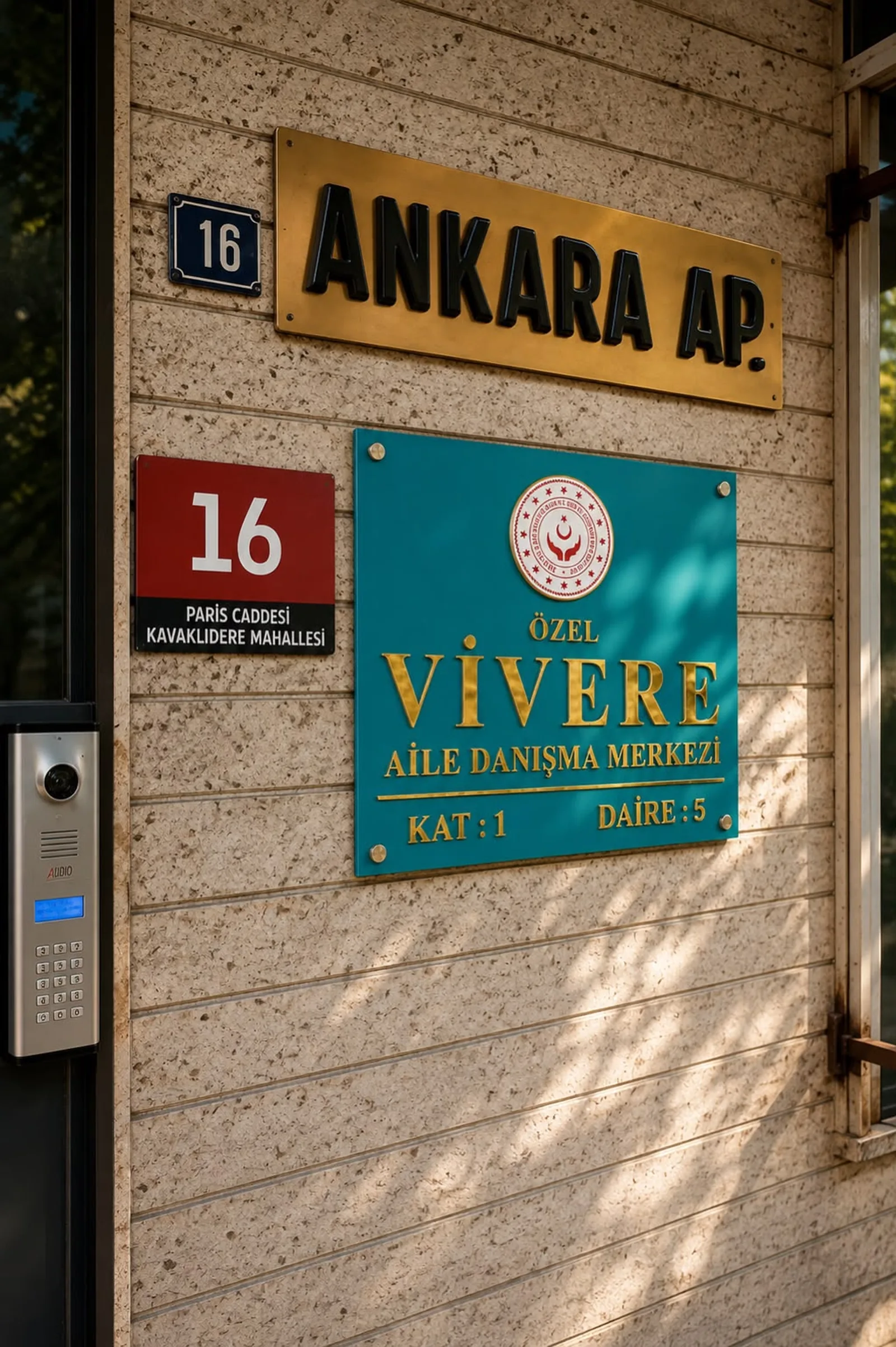
Confidentiality is the cornerstone of the trust relationship in adolescent counselling. It should not be expected that every detail shared by the adolescent in the session will be directly relayed to the family; this approach would prevent the adolescent from speaking openly.
However, the family is not entirely excluded. General progress, the course of the process, and points where the family can be supportive at home are shared at regular intervals. This balance is clarified with both the adolescent and the family during the first session.
In situations involving safety, such as the risk of the adolescent harming themselves or others, the family is informed as an exception to the confidentiality principle, and a referral to a doctor is made if necessary. This boundary is also explicitly explained to the adolescent at the beginning of the session.
Ethical boundaries
The counsellor establishes a confidentiality framework appropriate to the adolescent's age and maturity level. This framework supports the adolescent in feeling secure and being open in the process.
From Which Areas of Ankara Can We Be Reached?
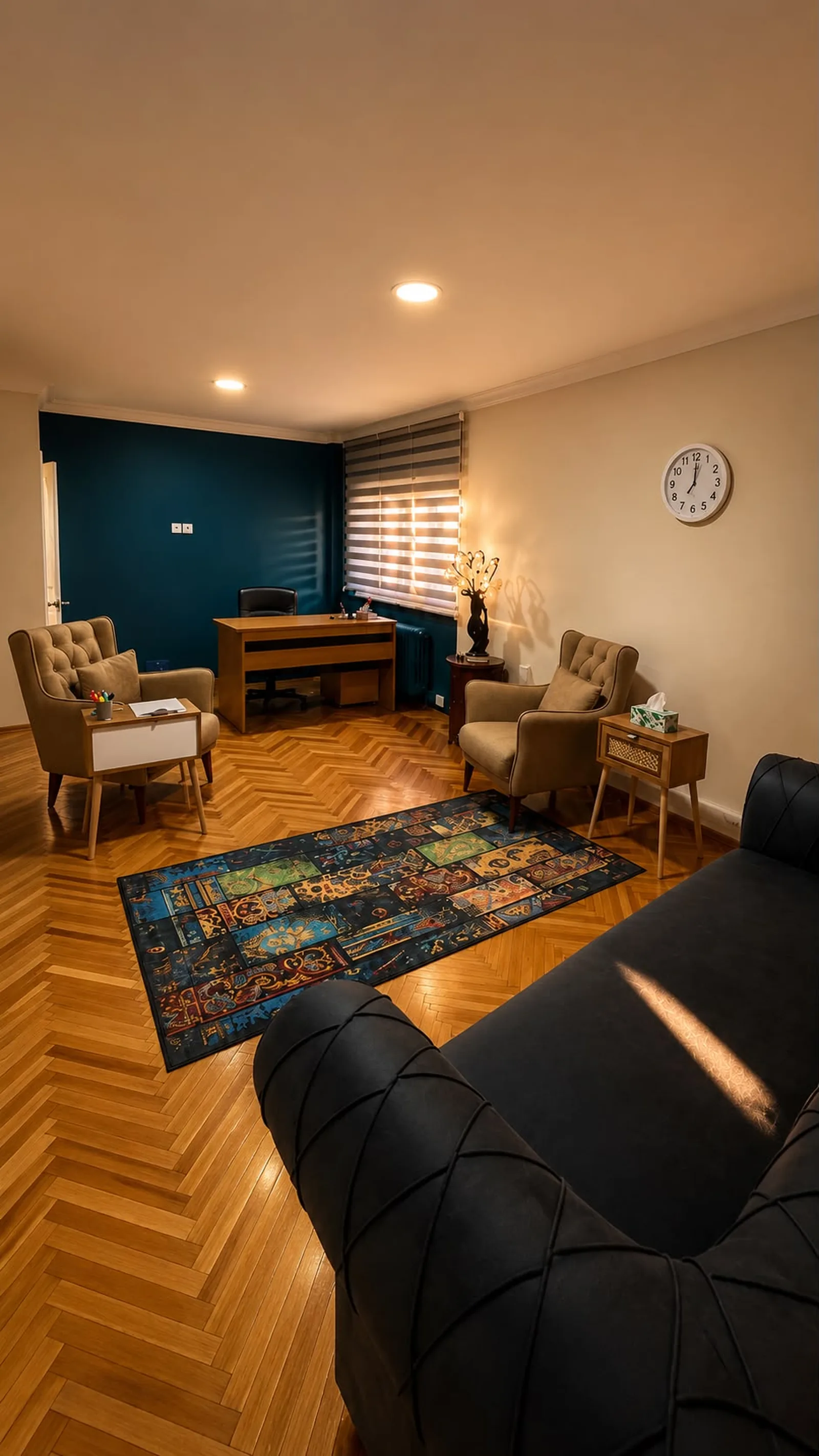
Özel Vivere Aile Danışmanlık Merkezi is located in Kavaklıdere, Çankaya, Ankara, on Paris Caddesi. This location is a central point that facilitates access from districts such as Tunalı Hilmi, Kızılay, Bahçelievler, and Çayyolu.
Adolescent counselling sessions are usually planned for after-school hours, taking school schedules into account. This ensures regular participation without disrupting the adolescents' school programmes.
To make an appointment, you can contact us via phone or WhatsApp; a suitable day and time will be planned together. Early appointment planning is recommended during exam periods due to increased demand.
Sessions and fees
The table below summarises the general framework of adolescent counselling sessions. The exact plan is agreed together after the first session.
| Topic | Information |
|---|---|
| Session duration | Approximately 45-50 minutes |
| Participation | Adolescent; joint session with parent if needed |
| Format | Face-to-face or online |
| Frequency | Weekly or fortnightly, depending on need |
| Fee | Current fee information is shared via phone or WhatsApp. |
In accordance with the Ministry of Health's promotional regulations, information on fees and statements promising results are not included on this page; current information is shared directly through our communication channels.
Frequently asked questions
Adolescent Counselling in Ankara reviews
Ratings and comments shared about the session experience (comments in their original Turkish)
0.0
0 Reviews
- 50
- 40
- 30
- 20
- 10
Adolescent Counselling fee (2026)
Preliminary Consultation
15–20 minVAT incl. · 2026 official tariffFrom381,60 ₺Up to1.122,32 ₺Individual Counselling
Popular60 minVAT incl. · 2026 official tariffFrom1.010,06 ₺Up to3.479,20 ₺
Source: Governorship of Ankara, Provincial Directorate of Family and Social Services — 2026 fee determination decision (No: E-11276684-500-19281497, 29.12.2025). All prices include VAT. The session fee is set within this range according to duration and scope.
Full official fee scheduleBook a session: Adolescent Counselling in Ankara
When you fill in the form, your request becomes a WhatsApp message and we confirm the day and time together. You can also call 0544 134 29 05.