

What is Child Counselling in Ankara?

Child counselling in Ankara is a counselling area that aims to support children using age-appropriate methods in areas such as adaptation, communication, and emotional expression encountered in their daily lives. This process is not a medical procedure; it is a support and guidance endeavour focused on strengthening the child's ability to express themselves and on how parents can accompany them.
Children often find it difficult to articulate their feelings verbally like adults. For this reason, play-based sessions are frequently used in consultations: the child finds an environment where they can express themselves comfortably through toys, drawings, or puppets. The counsellor observes during this process and creates a roadmap with the parent.
Generally, it is a suitable framework for children approximately aged 4-12; for older ages, adolescent counselling comes into play. Which approach is more suitable for the child is evaluated with the parent during the initial consultation.
You can review our general guide for parents searching for a psychologist in Ankara or psychologist in Çankaya on our psychologist in Ankara page; work with children is planned at our centre in Çankaya Kavaklıdere.
Who is it suitable for?
This area is a suitable point of support for children experiencing difficulties with adaptation in kindergarten and primary school, those trying to adjust to a new sibling, or those affected by changes within the home.
It is not a medical process
This work is not a diagnostic or treatment process. If there is a situation requiring developmental or medical assessment, the family is clearly referred to a specialist physician.
Why Do Families Seek Support?
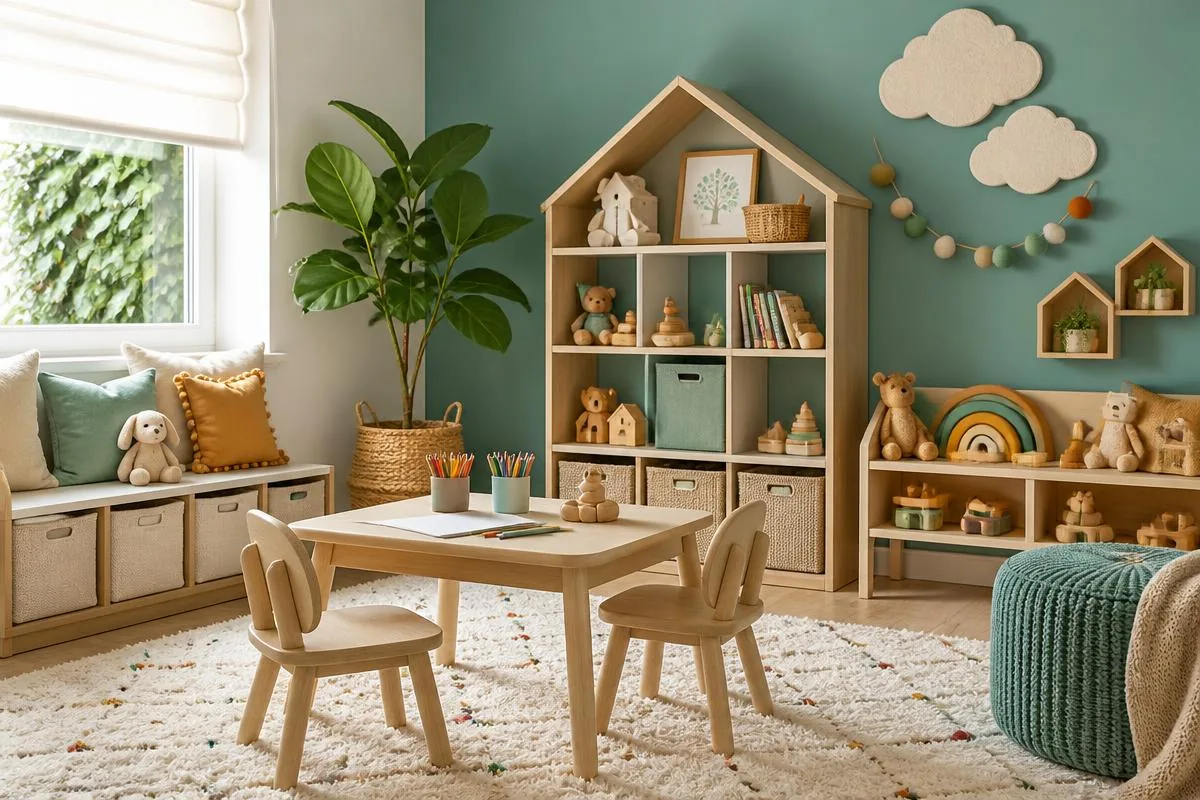
Families in Ankara seek this support for a wide variety of issues concerning their children. The most common topics include the process of adapting to school or a new class, sibling jealousy and adaptation difficulties after the birth of a new sibling, and adjusting to family changes such as divorce or moving house.
In addition, difficulties in peer relationships, trouble making friends, extreme shyness, or, conversely, behavioural patterns such as anger outbursts are also primary issues that lead families to this area. Situations where a child struggles to express themselves in home communication also frequently arise.
The important point here is that these topics do not mean an illness or disorder; most often, they are temporary adaptation processes specific to the child's developmental stage. Counselling contributes to making these processes more understandable and manageable for both the child and the family.
School transitions
Periods such as starting kindergarten, transitioning to primary school, or changing schools can cause temporary anxiety and adaptation difficulties in children; guidance can be beneficial during these times.
Sibling and family relationships
The birth of a new sibling, parental separation, or changes in family structure can affect a child's emotional world; sessions help in understanding these emotions.
Peer relationships
Difficulties in making friends, feelings of exclusion, or inability to express oneself within a group are also frequently raised issues.
What Do Child Psychologist, Paedagogue, and Family Counsellor Mean?

Families frequently search online for terms like child psychologist in Ankara, paedagogue Ankara, or child development specialist Ankara. These terms refer to different educational backgrounds and scopes of practice; knowing which area is appropriate for which need is important for correct referral.
A psychologist is an individual with a bachelor's degree who studies human behaviour and development. A paedagogue is a specialist with an education science background, focusing on a child's learning and developmental processes. A family counsellor, on the other hand, is a counselling specialist who, after relevant undergraduate education, has completed family counselling training, addressing communication between the child and family. The authority for medical assessment and diagnosis belongs exclusively to specialist physicians, particularly those specialising in child and adolescent mental health.
The work carried out at our centre is a support and guidance process conducted within the framework of family counselling. In cases of suspected developmental delay, need for medical assessment, or a situation requiring diagnosis, the family is clearly referred to a specialist physician.
| Field | Educational Background | Focus | Medical Authority |
|---|---|---|---|
| Child Psychologist | Psychology degree | Understanding behaviour and development | None |
| Paedagogue | Education sciences | Learning and educational processes | None |
| Family Counsellor | Degree + family counselling training | Family communication and guidance | None |
| Specialist Physician (Child Mental Health) | Medical school + specialisation | Medical assessment and diagnosis | Yes |
Our Playroom and Child-Friendly Environment at the Centre
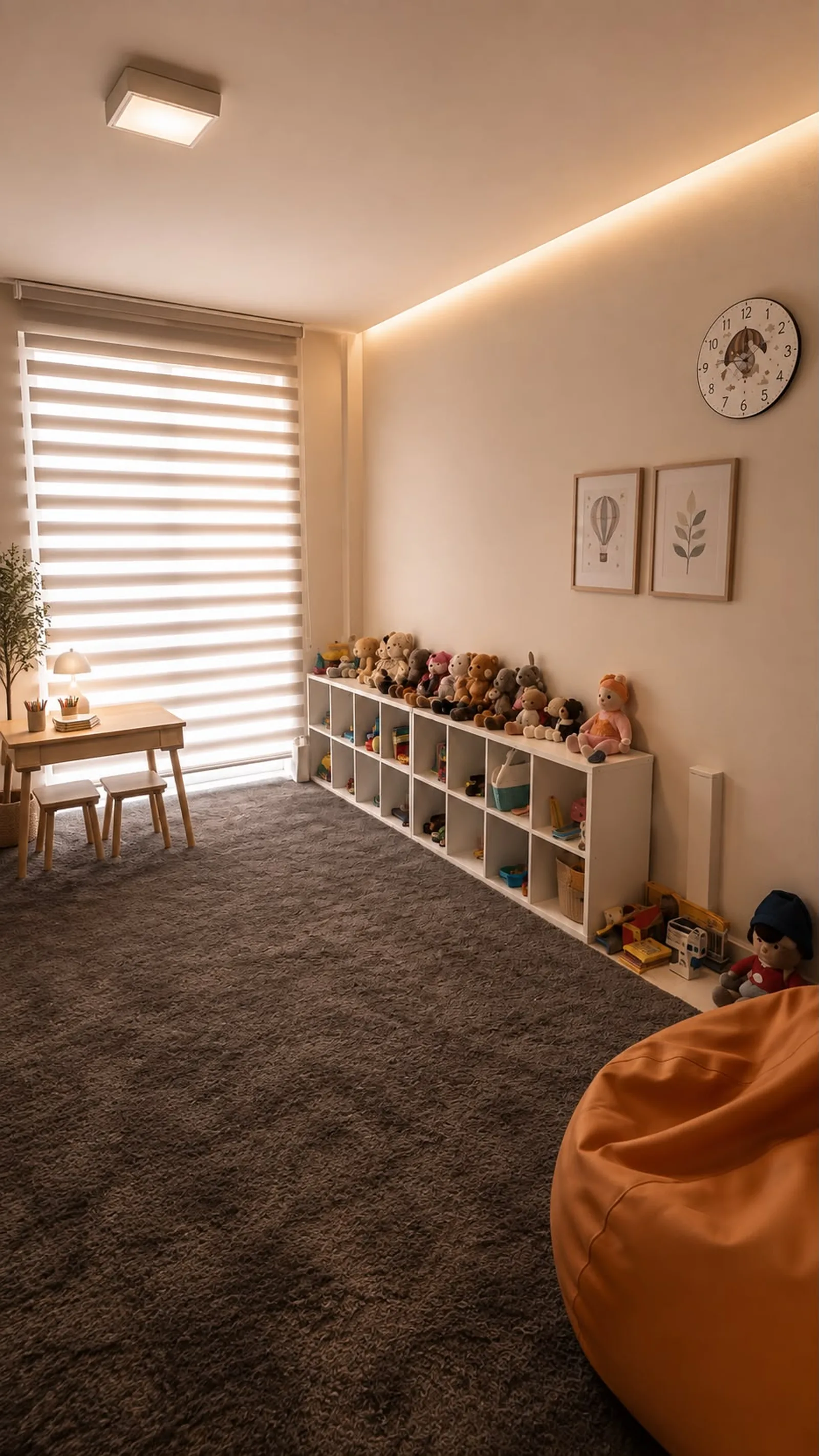
Özel Vivere Aile Danışmanlık Merkezi has a specially arranged playroom for children on Paris Caddesi No:16 D:5, Çankaya Kavaklıdere, Ankara. This area is designed with age-appropriate toys, drawing materials, and a soft atmosphere where the child can feel safe.
The purpose of the playroom is for the child to experience the session not as an obligation, but as an environment they can explore at their own pace. The counsellor observes the child's play preferences, expressions, and interaction style in this environment; these observations form the basis of the guidance shared with the parent.
The general atmosphere of our centre is also designed to be calm and suitable for privacy for families; appointments are planned accordingly to avoid uncomfortable encounters between the waiting area and consultation rooms.
Age-appropriate materials
Materials such as toys, puppets, drawing sets, and a sandpit are selected to suit the expression styles of different age groups.
Safe and calm atmosphere
Room arrangement, sound insulation, and colour choices are planned to alleviate, rather than increase, the child's anxiety.
Initial Consultation: Parent Meeting and Meeting the Child

The process usually begins with a consultation with the parent. In this meeting, the family's agenda, the child's daily life, home dynamics, and expectations are discussed. This stage also facilitates preparing the child for the session.
Following this, a meeting to introduce the child to the counsellor is planned. This first encounter is not an assessment or test; the aim is for the child to get to know the playroom, build trust with the counsellor, and feel comfortable. The session duration and pace can be adjusted according to the child's needs.
Parents can freely ask questions about the process at this stage; the counsellor provides clear information on how the sessions will proceed, their frequency, and how parent feedback will be shared.
What is discussed in the parent meeting?
The child's daily routine, family structure, school experience, and changes observed by the family are discussed in this meeting.
How does the meeting with the child go?
The child explores the playroom, can play with any toy they wish; the counsellor observes during this process and adapts to the child's pace.
How Does the Process Progress Step-by-Step?

The child counselling process has a structure consisting of certain stages and is shaped according to the needs of each family. Throughout the process, regular information is shared with the parent; while the child's privacy is protected, the family's involvement in the process is ensured.
The frequency of sessions is usually planned as weekly or bi-weekly; this is determined jointly based on the child's needs and the family's availability. Throughout the process, progress evaluations are conducted with the parent at regular intervals.
The termination of the process is also a planned step; once the targeted relief and adaptation are achieved, sessions are concluded with a decision made jointly with the family.
| Step | Content | Who Participates |
|---|---|---|
| 1. Parent Meeting | Discussion of agenda and expectations | Parent(s) |
| 2. Introductory Meeting | Child getting to know the playroom | Child |
| 3. Regular Sessions | Play-based session and observation | Child |
| 4. Parent Feedback | Sharing observations with the family | Parent(s) |
| 5. Evaluation | Joint review of progress | Parent(s) and counsellor |
| 6. Termination | Planned completion of the process | Parent(s) and child |
Parental Involvement, Collaboration with School, and Limitations of Online Sessions

Parental involvement is an integral part of child counselling. The parent is the one who will support changes in the child's daily life; therefore, the counsellor regularly meets with the parent to share observations and discuss approaches that can be applied at home.
When deemed necessary, with the family's permission and considering the child's benefit, information can be shared with the school's guidance service. This collaboration facilitates consistent support for the child in different environments.
While online sessions can be a practical option for adults in some cases, they have significant limitations in play-based sessions conducted with young children. The child's ability to maintain attention, physical interaction with materials, and the process of building trust proceed much more effectively in a face-to-face setting.
| Topic | Face-to-Face | Online |
|---|---|---|
| Use of playroom | Full access | Not possible |
| Attention and focus | Achieved with age-appropriate support | Challenging for young ages |
| Trust-building process | Natural and visible | Limited |
| Parent meetings | Suitable | Suitable in some cases |
Confidentiality, Child's Consent, and Ethical Principles
Confidentiality in sessions with children is as important as in adult counselling; however, a balance is maintained between the parent's right to information and the child's need to express themselves comfortably. The counsellor shares general observations that will enable the family to contribute to the process, rather than disclosing every detail shared by the child.
The child is also explained the purpose of the session, in an age-appropriate manner; this supports the child's voluntary and confident participation in the process. It becomes difficult to conduct effective work with a child brought to a session by force or without being informed.
In situations where there is a threat to the safety of the individual or others, exceptions to the principle of confidentiality are openly shared with the family within ethical and legal frameworks.
Which Areas of Ankara Do Families Access Us From?
Our centre is located in Çankaya Kavaklıdere, Ankara, at Paris Caddesi No:16 D:5. This location is easily accessible for families coming from Kızılay, Tunalı Hilmi, Bahçelievler, Çayyolu, and other districts of Çankaya.
Kavaklıdere's central location makes it easier to sustain regular child sessions. Public transport connections and nearby parking facilities offer a practical advantage, especially for families attending appointments after school hours.
To make an appointment, you can reach us via phone or WhatsApp; the first available time and the most suitable session frequency for your child's needs will be planned together.
Sessions and fees
The table below summarises the general framework of child counselling sessions. The exact plan is agreed together after the first session.
| Topic | Information |
|---|---|
| Session Duration | Approximately 45 minutes |
| Participation | Child; parent(s) at certain stages |
| Format | Face-to-face, play-based session |
| Frequency | Generally weekly or bi-weekly, determined together as needed |
| Fee | Current fee information is shared via phone or WhatsApp. |
In accordance with the Ministry of Health's promotional regulations, price figures are not shared on websites. This table is for the purpose of providing information about the process and participation; it does not contain any fee promises or commitments.
Frequently asked questions
Child Counselling in Ankara reviews
Ratings and comments shared about the session experience (comments in their original Turkish)
0.0
0 Reviews
- 50
- 40
- 30
- 20
- 10
Child Counselling fee (2026)
Preliminary Consultation
15–20 minVAT incl. · 2026 official tariffFrom381,60 ₺Up to1.122,32 ₺Individual Counselling
Popular60 minVAT incl. · 2026 official tariffFrom1.010,06 ₺Up to3.479,20 ₺
Source: Governorship of Ankara, Provincial Directorate of Family and Social Services — 2026 fee determination decision (No: E-11276684-500-19281497, 29.12.2025). All prices include VAT. The session fee is set within this range according to duration and scope.
Full official fee scheduleBook a session: Child Counselling in Ankara
When you fill in the form, your request becomes a WhatsApp message and we confirm the day and time together. You can also call 0544 134 29 05.
Guides on Child Counselling
Explore the topic in more depth with the detailed guides in our Knowledge Centre.