Short answer
The key point first
Child and adolescent counselling is a process that supports the child and family with emotional, behavioural, and social challenges specific to their developmental stage. Younger children are often worked with using age-appropriate methods like play and drawing, while sessions with adolescents are conducted with a careful balance of trust and confidentiality. Parental involvement is often crucial to the process.
Childhood and adolescence: periods of rapid change
Childhood and adolescence are the periods of most rapid change in a person's life. Physical, cognitive, emotional, and social development all progress at the same time. It is completely natural for children and young people to experience challenges during this process of change.
Parents searching for a psychologist in Ankara often decide to take action after noticing a change in their child's behaviour. Common examples include reluctance to go to school, sleep problems, temper tantrums, withdrawal, or a decline in academic performance.
This guide has been prepared by the Knowledge Centre at Özel Vivere Aile Danışmanlık Merkezi to offer parents impartial information about child and adolescent counselling. The information in this guide is general in nature and is not a substitute for an assessment specific to your child.
Developmental stages and common challenges
Each age has its own developmental tasks and associated challenges. The table below provides a general framework; every child's pace of development is different.
| Age group | Key developmental task | Common challenges |
|---|---|---|
| Preschool (3–6) | Independence, recognising emotions | Separation anxiety, temper tantrums, sleep problems |
| Primary school (7–10) | Adjusting to school, peer relationships | School refusal, attention difficulties, self-esteem |
| Early adolescence (11–14) | Identity seeking, physical changes | Emotional fluctuations, peer pressure |
| Adolescence (15–18) | Independence, future plans | Exam anxiety, conflict with family, withdrawal |
Working with young children through play
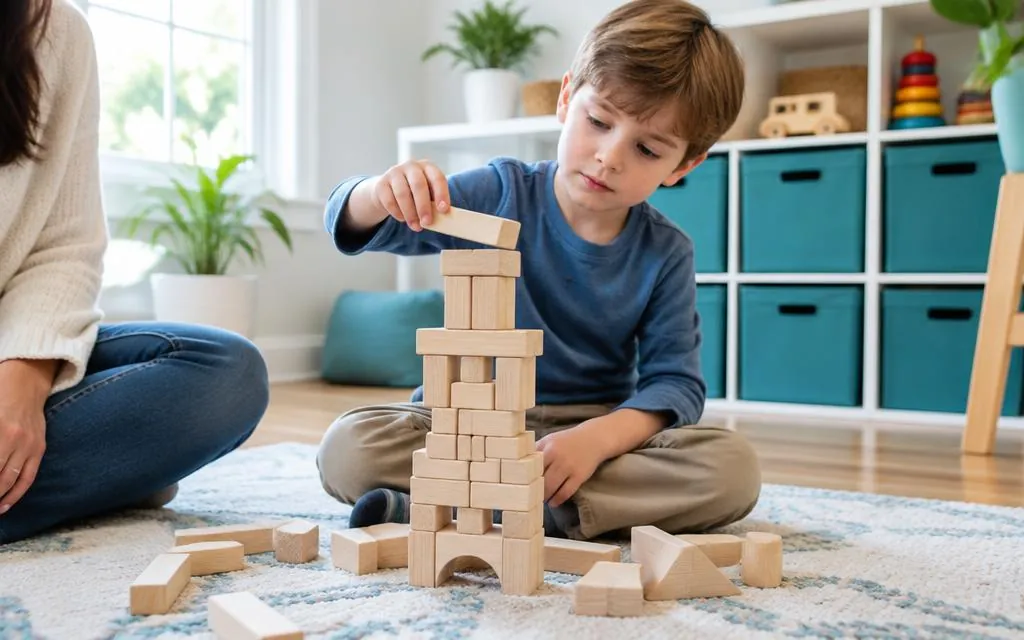
Young children often cannot express their feelings with words. For this reason, counselling work with children uses age-appropriate tools like play, drawing, stories, and puppets. Play is a child's natural language; through play, a child expresses their experiences, fears, and wishes.
In sessions that use play, the specialist observes the child's play, joins in with them, and tries to understand the themes that emerge. A well-equipped playroom with suitable materials is important for this work. For more detailed information, you can look at our play therapy page.

Adjusting to school and peer relationships
Starting school, changing schools, or moving up to a new educational stage are significant adjustment processes for children. While some children navigate these transitions easily, others may react with reluctance to go to school, physical complaints like stomach aches, or by becoming withdrawn in class.
Peer relationships also profoundly affect a child's experience of school. Difficulty making friends, exclusion, or peer bullying can negatively impact a child's self-esteem and their connection to school. In these situations, it can be helpful to collaborate with the school's pastoral support or guidance service and seek support from a specialist if needed.
Exam anxiety: LGS, YKS, and school exams
In Türkiye, national exams like the LGS (High School Entrance System) and YKS (Higher Education Institutions Exam) play a significant role in the lives of students and their families. A certain level of anxiety can boost motivation; however, intense exam anxiety can prevent a student from demonstrating what they know in the exam, lead to sleep and appetite problems, and cause a general sense of burnout.
Work with students experiencing exam anxiety can focus on the sources of the anxiety, negative thought patterns, setting realistic goals, time management, and relaxation skills. It is also an important part of the process for parents to review their expectations and offer support instead of pressure.
- Maintaining regular sleep and eating routines
- Balancing study and rest times
- Praising effort rather than results
- Avoiding comparisons
- Making anxiety a topic that can be talked about

Adolescence: identity, independence, and family relationships
Adolescence is a period of transition from childhood to adulthood, where the search for identity intensifies. While adolescents desire independence, they still need family support. This duality can lead to conflicts within the family.
In counselling work with adolescents, trust and confidentiality are especially important. For an adolescent to be able to open up to the specialist, they need to know that the details of what they discuss will not be shared with their parents. However, it is also clearly stated at the beginning of the process that parents must be informed in situations that threaten the adolescent's safety. For more information, you can review our adolescent counselling page.

The digital world, screen time, and social media
Today's children and young people are growing up in a digital world. While screens can be important tools for learning, entertainment, and social connection, excessive use can have negative effects on sleep, attention, physical activity, and face-to-face relationships.
Trying to regulate screen time with bans alone often leads to conflict. Instead, setting rules together as a family, creating screen-free times, and having parents act as role models is a more sustainable approach.
The role of parents in the process
In child and adolescent counselling, parents are an integral part of the process. In addition to sessions with the child, the specialist also holds regular meetings with parents to work together on home routines, communication styles, and parenting approaches.
It is also important for parents to be aware of their own feelings and anxieties. Seeing your child struggle can be exhausting for a parent too. For this reason, separate sessions for parents or parent counselling support may be recommended in some cases.

When might parents consider seeking support?
Every child struggles from time to time. However, if the following situations have persisted for several weeks and are noticeably affecting your child's daily life, it might be worth considering speaking with a specialist.
- Persistent refusal to go to school
- Significant changes in sleep or eating patterns
- Frequent and intense temper tantrums
- Withdrawing from friends and activities
- A sudden drop in academic performance
- Reverting to behaviours not appropriate for their age
Developmental and attention assessments
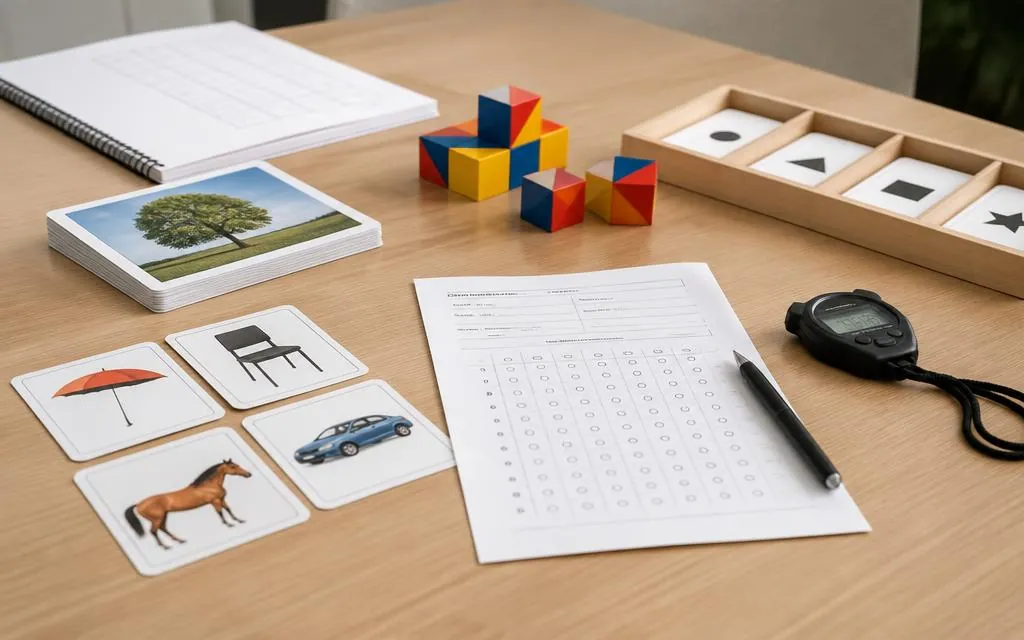
In some cases, standardised tests may be used to assess a child's developmental level, attention skills, or school readiness. These tests are not used to make a diagnosis, but to help plan the counselling process and understand the child's strengths and areas needing support.
For detailed information about the tests administered at our centres, you can refer to our guide to psychological assessment tests in the Knowledge Centre.

Child and adolescent counselling fees
At private family counselling centres in Ankara, child and adolescent sessions are categorised as individual counselling on the official fee schedule. Test administration is defined as a separate item.
| Service | Duration | Minimum fee | Maximum fee |
|---|---|---|---|
| Initial Consultation Service | 15–20 min | 381,60 ₺ | 1.122,32 ₺ |
| Individual Counselling | 60 min | 1.010,06 ₺ | 3.479,20 ₺ |
| Family Counselling | 90 min | 1.907,96 ₺ | 4.882,03 ₺ |
| Test Administration | IQ, personality, psychological, developmental screening, etc. | 639,79 ₺ | 4.152,61 ₺ |
The next step for parents
Speaking with a specialist about the challenges your child or teenager is facing is a valuable step for both your child and your family. Early support can help address minor difficulties before they become bigger.
You can learn about our specialists who work with children and adolescents at Özel Vivere Aile Danışmanlık Merkezi on our our team page.
For information about our playroom and physical environment, you can visit our our centre page.
Questions & answers
Frequently asked questions
Short, clear answers to the questions people ask most about this topic.
Sources and scope
This content is for general information only; it does not replace diagnosis, treatment or a personal assessment.

About the author
Dijital Mustafa
Child Counselling and session fees
- Preliminary Consultation15–20 min381,60 ₺ – 1.122,32 ₺
- Individual Counselling60 min1.010,06 ₺ – 3.479,20 ₺
- Family Counselling90 min1.907,96 ₺ – 4.882,03 ₺
VAT included. Corporate counselling is free of charge. Source: Ankara Governorship, Provincial Directorate of Family and Social Services, No. E-11276684-500-19281497.
Next step
Let's talk through your question.
To learn more about child counselling, you can get in touch with Özel Vivere Aile Danışmanlık Merkezi.