
Short answer
The key point first
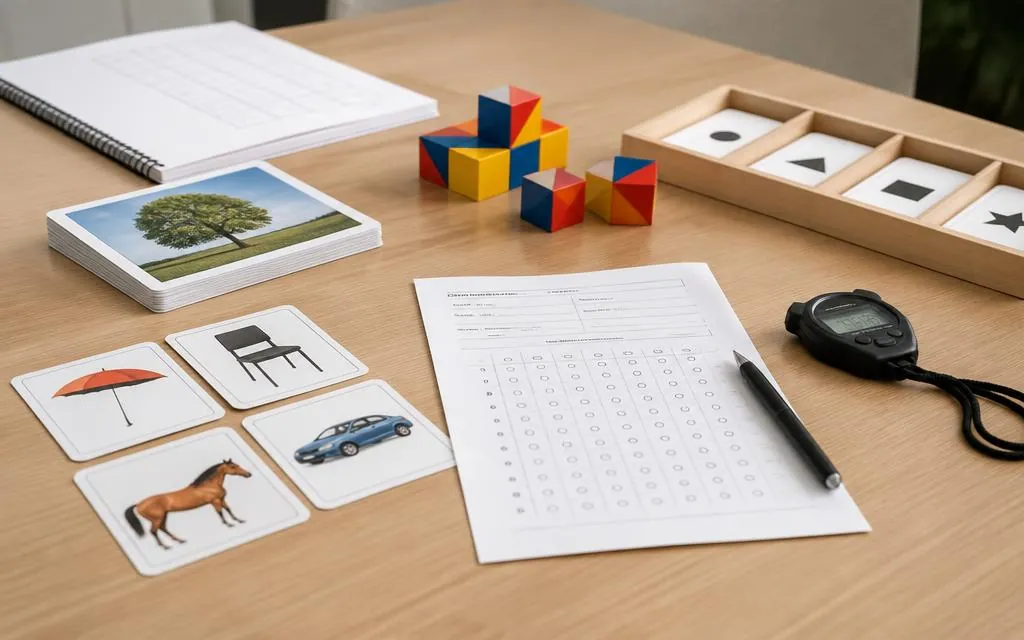
Psychological assessment tests are tools that provide standardised information in areas such as personality traits, attention, cognitive skills, development, and school readiness. In a counselling context, tests are not used to make a diagnosis, but to understand an individual's strengths and areas needing support, and to plan the therapeutic process. Tests should be administered under standard conditions by qualified professionals, and the results should be evaluated in conjunction with an interview.
Why are psychological tests used?
One of the topics frequently wondered about by parents and adults searching for a psychologist in Ankara is psychological tests. Questions like, “Does my child have an attention problem?”, “Are they ready for school?”, or “Can I better understand my personality traits?” are the main reasons for the interest in test applications.
Psychological tests are tools that supplement information obtained through observation and interviews with standardised and comparable data. The result of a single test does not provide a definitive judgement on its own; a professional interprets the test results in conjunction with the individual's history, observations, and interview findings.
This guide has been prepared by the Knowledge Centre of Özel Vivere Aile Danışmanlık Merkezi to impartially explain what commonly used tests measure and how they are used. In family counselling centres, tests are administered not to make a diagnosis, but to plan the counselling process.
An overview of test types
Psychological tests are divided into different groups according to the area they measure. The table below summarises the main types of tests and the questions they are used to explore.
| Test type | Area measured | Example tests |
|---|---|---|
| Personality inventories | Personality traits and emotional patterns | MMPI |
| Symptom screening scales | Difficulties experienced recently | SCL-90-R, Beck scales |
| Cognitive assessment | Mental skills, memory, problem-solving | WISC-R, MoCA |
| Attention tests | Attention span, selective attention, impulsivity | D2, Burdon, MOXO, Trail Making |
| Developmental screening | Developmental level according to age | AGTE, Peabody |
| Visual-motor and perception | Visual perception and hand-eye coordination | Bender Gestalt, Frostig, Benton |
| School readiness | Readiness for primary school | Metropolitan Readiness Tests |
Assessment tests for adults
The MMPI (Minnesota Multiphasic Personality Inventory) is one of the most widely used inventories in the world for assessing personality traits and emotional patterns. Comprising numerous items, this inventory provides a comprehensive profile of how an individual describes themselves.
The SCL-90-R (Symptom Checklist-90-Revised) is a scale that screens for recent emotional and physical difficulties across different dimensions. The Beck Depression Inventory and the Beck Anxiety Inventory are short self-report scales that assess the level of depressive and anxiety symptoms, respectively.
The MoCA (Montreal Cognitive Assessment) is a tool that quickly screens cognitive domains such as attention, memory, language, and executive functions. The Trail Making Test provides information about visual scanning, processing speed, and mental flexibility. The Benton Facial Recognition Test assesses the ability to recognise and match faces.

Assessment tests for children and adolescents
The WISC-R (Wechsler Intelligence Scale for Children—Revised) is a comprehensive test that assesses the verbal and performance-related cognitive skills of children aged 6–16. The results help to understand the child's cognitive strengths and areas that may need support.
The Ankara Developmental Screening Inventory (AGTE) is a screening tool developed in Turkey that assesses the development of children aged 0–6 in language-cognitive, fine motor, gross motor, and social-self-care domains. The Peabody Picture Vocabulary Test provides information about receptive language and vocabulary.
The Metropolitan Readiness Test assesses a child's readiness for primary school. The Specific Learning Disability Battery consists of a series of sub-tests designed to understand difficulties in reading, writing, and mathematical skills.
Attention tests: D2, Burdon, and MOXO
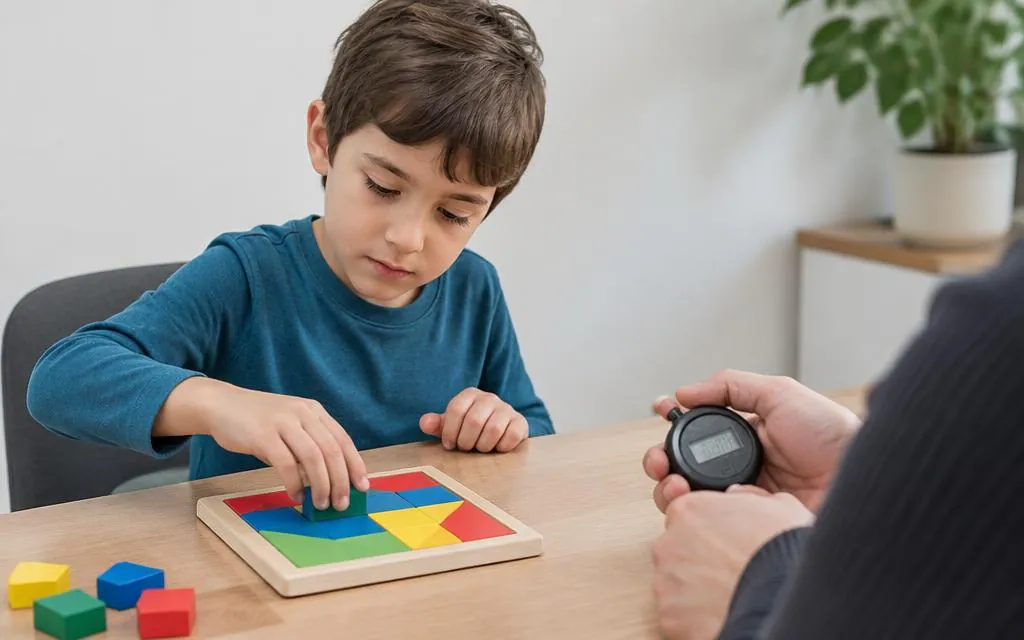
Attention difficulties are one of the most common concerns expressed by parents. The D2 Test of Attention and Burdon's Test of Attention are paper-and-pencil tests that assess selective attention and concentration span.
The MOXO 360 Attention Test is a computer-based test that measures the dimensions of attention, timing, impulsivity, and hyperactivity. During the test, visual and auditory distractors are used to simulate the distracting conditions of daily life.
The results of attention tests do not constitute a diagnosis on their own. The medical evaluation of attention difficulties falls within the remit of child psychiatrists. In a counselling context, test results are used to create a support plan for the child and family.
Visual-motor perception and memory tests
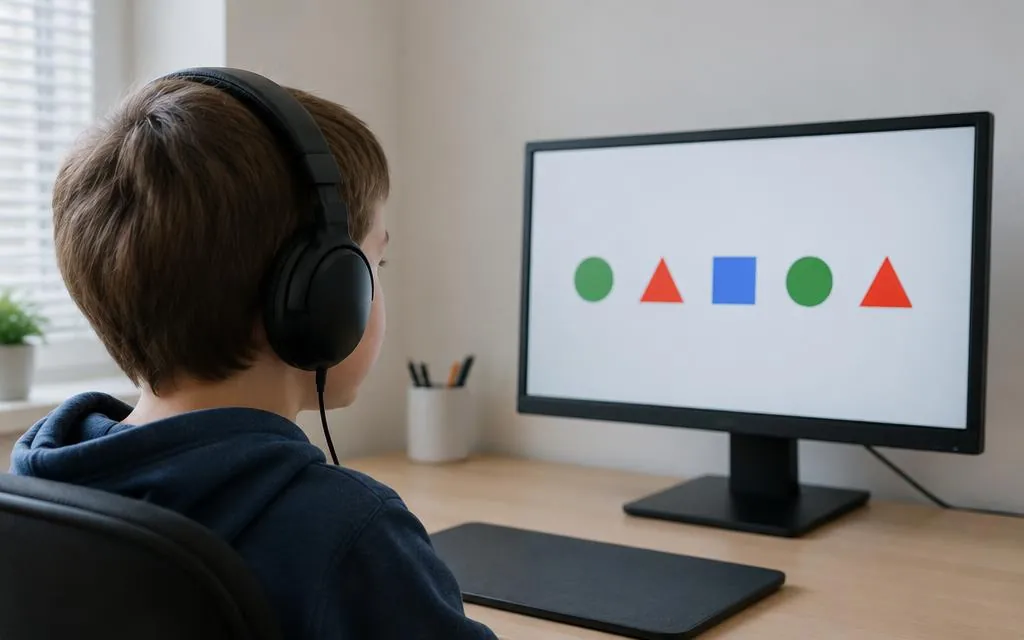
The Bender-Gestalt Test of Visual-Motor Perception assesses visual perception and hand-eye coordination through a child's ability to copy geometric shapes. The Frostig Developmental Test of Visual Perception examines the different sub-dimensions of visual perception in detail.
The Benton Visual Retention Test provides information about visual memory and perceptual skills by requiring the recall of shapes shown for a short period. These tests can be particularly useful in the assessment of children who are struggling with learning to read and write.
How are tests administered and by whom?
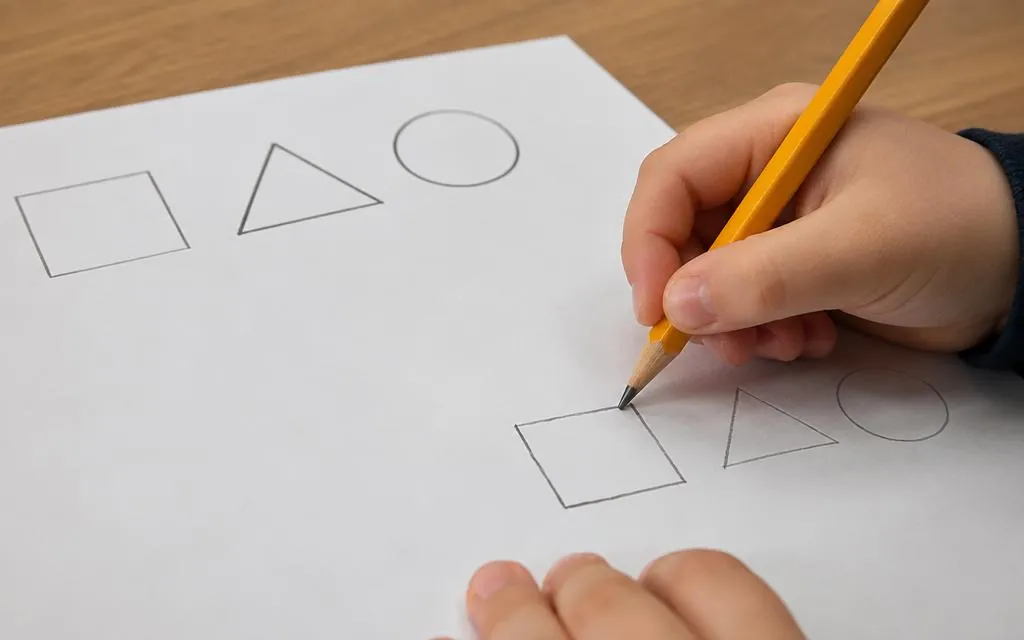
For psychological tests to yield reliable results, they must be administered under standard conditions by professionals who have received training in the administration of the specific test. A quiet room, appropriate lighting, a well-rested client, and strict adherence to the test's instructions all affect the validity of the results.
Many tests require the administrator to have completed a certification course for that specific test. It is a client's legitimate right to ask the professional administering the test about their qualifications.
- Ensuring the child is well-slept and has eaten before the test
- Postponing the test during periods of illness or intense stress
- Bringing glasses or hearing aids if they are used
- Explaining to the child that the test is not an 'exam'
How are results evaluated and shared?
Test results are evaluated by the professional in conjunction with the individual's history, observations, and interview findings. The results are usually communicated to the client or parents in an understandable way during a feedback session.
A good feedback session involves not just listing scores, but discussing what the results mean in daily life, the individual's strengths, areas needing support, and the next steps that can be taken.

The limitations of tests
No single test can define a person in their entirety. Test results can be influenced by the conditions on the day of administration, the individual's motivation, and the inherent limitations of the test itself. Therefore, it is not appropriate to draw definitive conclusions based on a single test result.
'Free' or 'quick' tests found on the internet do not provide reliable information as they lack standard administration conditions and professional interpretation. The results of such tests can cause anxiety or be misleading.
Test administration fees
In private family counselling centres in Ankara, test administration is defined as a separate item in the official fee schedule. Intelligence, personality, psychological, and developmental screening tests are assessed under this category; the fee is determined within the official range according to the type and scope of the test.
You can find a full list of the tests administered at our centre in the 'Tests Administered' section on our homepage and on our fees page.
| Service | Duration | Base fee | Ceiling fee |
|---|---|---|---|
| Initial Consultation Service | 15–20 min | 381,60 ₺ | 1.122,32 ₺ |
| Individual Counselling | 60 min | 1.010,06 ₺ | 3.479,20 ₺ |
| Test Administration | Intelligence, personality, psychological, developmental screening, etc. | 639,79 ₺ | 4.152,61 ₺ |
Getting information about test administration
Whether a test is necessary for you or your child is usually decided together with a professional following an initial consultation. Not every difficulty requires a test; sometimes an interview and observation provide sufficient information.
For information about the adult and child assessment tests administered at Özel Vivere Aile Danışmanlık Merkezi, you can reach us via our contact page.
For a general overview of the process for children, you can review the child counselling page.
Questions & answers
Frequently asked questions
Short, clear answers to the questions people ask most about this topic.
Sources and scope
This content is for general information only; it does not replace diagnosis, treatment or a personal assessment.

About the author
Dijital Mustafa
Child Counselling and session fees
- Preliminary Consultation15–20 min381,60 ₺ – 1.122,32 ₺
- Individual Counselling60 min1.010,06 ₺ – 3.479,20 ₺
- Family Counselling90 min1.907,96 ₺ – 4.882,03 ₺
VAT included. Corporate counselling is free of charge. Source: Ankara Governorship, Provincial Directorate of Family and Social Services, No. E-11276684-500-19281497.
Next step
Let's talk through your question.
To learn more about child counselling, you can get in touch with Özel Vivere Aile Danışmanlık Merkezi.